

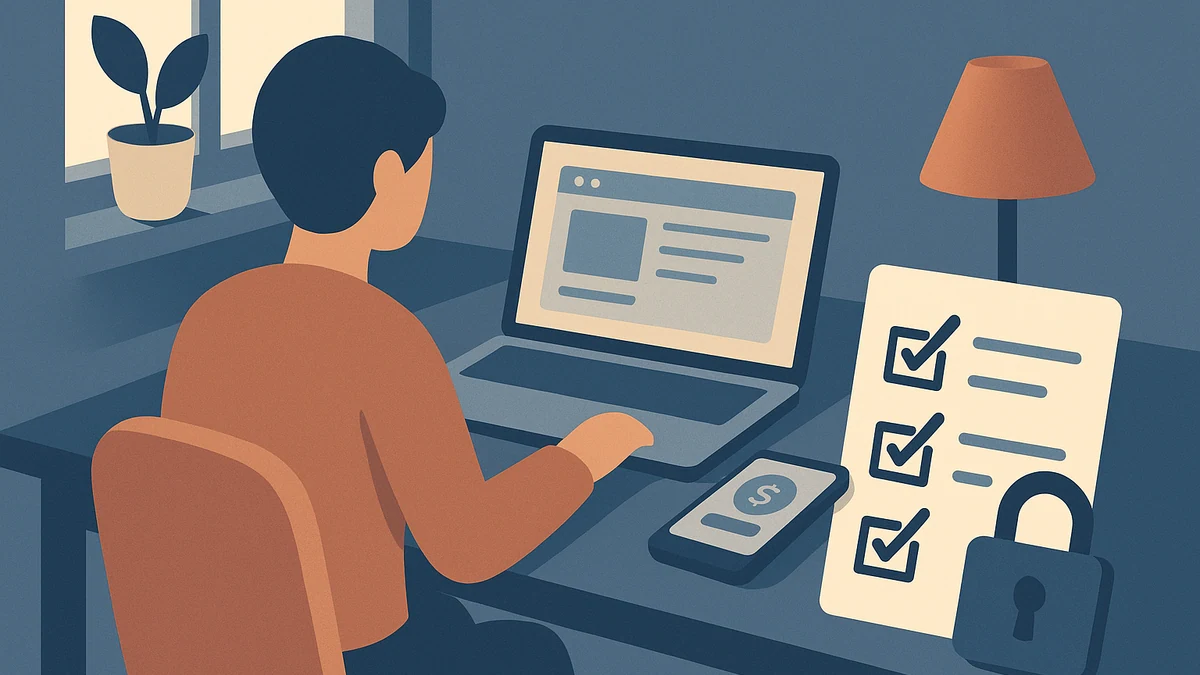
Understanding the Basics of Online Investment Security
Secure online investments begin with choosing platforms that prioritize security. Assess whether a FinTech company is reputable by examining their track record and user reviews. Established companies are more likely to have better security protocols. Check for certifications and industry recognitions that attest to their trustworthiness.
Importance of Secure Platforms
Secure platforms use encryption and comply with regulations to protect your financial data. They often have dedicated security teams to monitor threats. A secure platform means your sensitive information is less likely to be compromised. Ensure the platform you select is known for strong security measures.
Identifying Reputable FinTech Companies
Research the company’s background and check for any regulatory actions. Reputable companies are usually transparent about their security practices. They typically have endorsements from known financial authorities. Ensure they comply with Indian financial regulations before proceeding.
Steps to Verify Platform Security
Verifying a platform’s security involves ensuring regulatory compliance and checking technical security features such as SSL certificates. Confirm the company is registered with the Securities and Exchange Board of India (SEBI) or other relevant authorities. This indicates they are legally authorized to operate.
Checking for Regulatory Compliance
Platforms that comply with SEBI regulations offer a layer of protection. They are subject to audits and must follow guidelines to safeguard investor interests. Confirm their registration status on the SEBI website to ensure legitimacy.
Consider platforms that have been verified by independent auditing firms. These audits often assess the platform’s security measures and adherence to financial regulations. Such verification can provide an additional layer of assurance about the platform’s credibility.
SSL Certificates and Data Encryption
A secure FinTech platform will encrypt data using SSL certificates. Look for a padlock symbol in the browser’s address bar, indicating a secure connection. Data encryption protects user data during transmission, reducing the risk of interception by unauthorized parties.
Moreover, the use of advanced encryption standards, such as 256-bit encryption, can significantly enhance data security. This level of encryption is typically used by banks and financial institutions, reflecting a commitment to protecting user data from sophisticated cyber threats.
Protecting Personal and Financial Information
Protecting your information starts with strong password practices and implementing two-factor authentication. Use a combination of upper and lower case letters, numbers, and symbols for passwords. Change passwords regularly to minimize security risks.
Strong Password Practices
Create unique passwords for each account to prevent unauthorized access. Consider using a password manager to keep track of your credentials securely. Avoid using easily guessed information such as birthdays or common words.
Conduct periodic reviews of your passwords to ensure they remain strong and uncompromised. If you suspect any account has been breached, change the password immediately and consider enabling additional security measures.
Two-Factor Authentication
Two-factor authentication (2FA) adds an additional security layer by requiring a second form of identification. Common methods include SMS codes or authentication apps. Enable 2FA wherever possible to protect your accounts from unauthorized access.
Some platforms offer biometric authentication as a form of 2FA. This includes fingerprint recognition or facial recognition, providing an added layer of security that is difficult to replicate by unauthorized users.
Recognizing and Avoiding Common Scams
Being aware of common online scams can save you significant financial loss. Phishing attacks and Ponzi schemes are prevalent threats. Stay informed about these tactics to protect your investments.
Phishing Attacks
Phishing attacks involve fraudulent emails or messages that appear legitimate, aiming to steal sensitive information. Always verify the sender’s email address and avoid clicking on suspicious links. Use official channels to communicate with your investment providers.
Invest in anti-phishing tools and browser extensions that can help identify and block phishing attempts before they reach your inbox. These tools often provide real-time alerts for potential threats, enhancing your overall security posture.
Ponzi Schemes
Ponzi schemes promise high returns with little risk but rely on new investors to pay old ones. Be skeptical of investments that guarantee returns with no risk. Verify investment opportunities with registered financial advisors.
Examine the investment’s underlying business model and request detailed financial reports. A legitimate investment should have a clear, sustainable business strategy and not rely solely on the recruitment of new investors for returns.
Monitoring and Managing Your Investments
Regularly monitoring your investments ensures you stay informed about their performance. Set up alerts for significant changes in your portfolio. This proactive approach helps you respond quickly to market fluctuations.
Regular Account Monitoring
Check your accounts frequently to spot unauthorized transactions. Regular monitoring helps you catch and address issues early. Consider integrating account aggregation tools to streamline this process.
Utilize comprehensive portfolio management software that provides real-time insights into your investment performance. These tools can offer detailed analytics and trends, helping you make informed decisions swiftly.
Setting Up Alerts
Use platform features to set up alerts for changes in your investment values. Alerts can notify you of price changes, upcoming dividends, or other significant events. This enables timely decision-making to protect your investments.
Customizing alert thresholds based on your risk tolerance can help you focus on the most relevant changes. For instance, you might set an alert for a 5% change in stock prices if you are particularly sensitive to market volatility.
Next Steps for Secure Investing
Enhancing your investment security involves consulting financial advisors and staying informed about market trends. Advisors can provide tailored advice based on your financial goals and risk tolerance. Keep abreast of financial news and updates to make informed decisions.
Consulting Financial Advisors
While general advice is helpful, consulting with a financial advisor offers personalized guidance. They can help you navigate complex regulations and suggest strategies aligned with your objectives. Choose advisors with a strong reputation and relevant certifications.
Seek advisors who have experience with the specific asset classes you are investing in. Their specialized knowledge can be invaluable in optimizing your investment strategy and maximizing potential returns.
Staying Informed About Market Trends
Regularly read financial news and reports to stay updated on market trends. Understanding economic indicators can help you anticipate changes in your investment portfolio. Consider reading our guide on The Impact of Economic Indicators on Your Investments Portfolio for more insights.
Join investment forums or networks to engage with other investors and gain diverse perspectives. These communities often discuss emerging trends and share valuable insights that can inform your investment decisions.
Frequently Asked Questions
What are the signs of a secure FinTech platform?
Secure FinTech platforms are typically licensed by regulatory bodies, use SSL encryption, and have positive user reviews. They often display a padlock icon in the browser bar, indicating a secure connection.
How can I protect my investment portfolio from online threats?
Use strong passwords, enable two-factor authentication, and regularly monitor your accounts. Be cautious of unsolicited communications and verify the authenticity of any investment opportunities.
What should I do if I suspect a scam in my investment?
Immediately cease all transactions with the suspicious entity and report it to relevant authorities. Consult a financial advisor for guidance on recovering any potential losses. Keep all records of communication for reference.
Are there specific regulations Indian FinTech platforms must follow?
Yes, Indian FinTech platforms must comply with SEBI regulations and other applicable laws. Compliance ensures they meet standards for investor protection and operational transparency.
How often should I update my investment security measures?
Review and update your security measures at least every six months. Keep abreast of new security features and implement them as they become available. Regular updates help protect against evolving threats.
This content is for educational and informational purposes only and should not be considered investment, financial, tax, or legal advice. Investments are subject to market risks, including possible loss of capital. Readers should conduct their own research and consult a qualified professional before making investment decisions.